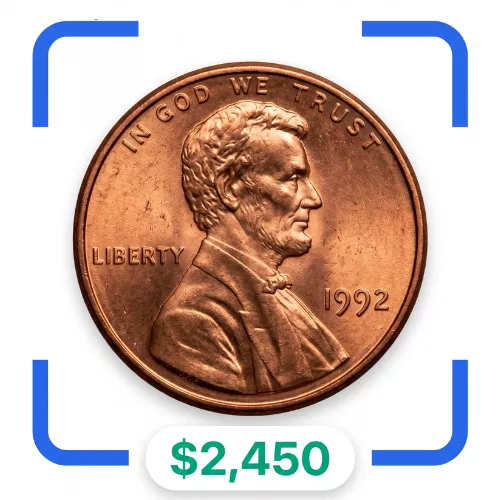
Nickels don't get the same spotlight as gold coins or silver dollars, but a handful of five-cent pieces have quietly become some of the most expensive coins ever sold at auction. The 1913 Liberty Head nickel alone has changed hands for more than $4.5 million, and it's not alone — overdates, doubled dies, and famous mint errors on Buffalo and Jefferson nickels routinely bring five and six figures.
Below is a ranked list of 100 verified auction results covering Shield, Liberty Head, Buffalo, and Jefferson nickels (plus an early three-cent nickel that regularly gets lumped into "rare nickel" lists). Use the filters to dig into a specific series or variety, then check out the identification steps if you think you're sitting on something valuable.
Top 100 Most Valuable Rare Nickels
| Rank | Coin | Series | Price |
|---|
I Think I Have One — Now What?
- Stop handling it, and don't clean it. Oils from your fingers and any cleaning attempt can permanently strip original surfaces and cut the value of a genuinely rare nickel by half or more. Hold it by the edges and set it in a coin flip.
- Verify it before you spend a dime on grading. Snap a clear photo of both sides and run it through a free online coin identifier to confirm the date, mintmark, and variety before you commit money to professional grading.
- Submit real candidates to PCGS or NGC. If the coin checks out as a genuine key date, overdate, or doubled die, third-party grading and authentication protects you from disputes and unlocks the strongest resale prices.
- Pick the right selling venue for the value tier. Coins in the $20,000–$50,000 range often do well through GreatCollections or a trusted regional dealer; anything approaching six figures or more belongs with Heritage Auctions or Stack's Bowers, where serious bidders compete.
- Watch out for counterfeits and alterations. The 1913 Liberty Head, 1918/7-D overdate, and 1937-D 3-Legs are the three most commonly faked rare nickels — added mintmarks, tooled "legs," and re-engraved dates are all common tricks, so always insist on third-party certification before paying a premium.
Understanding Rare Nickel Values
1. Mintage Numbers and Survival Rates
A low mintage doesn't automatically mean a coin is expensive — what matters is how many survived in collectible condition. The 1885 and 1912-S Liberty Head nickels are the acknowledged key dates of their series purely on mintage, while dates like 1926-S and 1921-S Buffalo nickels combine low output with heavy circulation loss, making gem survivors genuinely rare. For a deeper walkthrough of how mintage, grade, and demand combine to set prices across every date, see this complete guide to rare nickel values.

2. Mintmarks Change Everything
The same date can be worth twenty times more or less depending on which mint struck it. A Philadelphia coin with no mintmark is often common, while the same year from Denver (D) or San Francisco (S) can be a legitimate key date. Always check below FIVE CENTS on the reverse of a Buffalo nickel, or below the wreath on a Liberty Head nickel, before assuming a coin is common.

3. Doubled Dies, Overdates, and Errors
Some of the priciest nickels on this list aren't rare because of low mintage at all — they're rare because of a die mistake at the mint. The 1918/7-D overdate, 1916 doubled die obverse, and 1937-D 3-Legs error all sell for tens of thousands of dollars specifically because of the anomaly, regardless of how many ordinary examples of that date exist.

4. Condition and Grade Drive the Multiplier
A worn, common-date nickel might be worth face value, while the same date in a true gem uncirculated grade can bring hundreds of dollars — and a genuine key date in gem condition can be worth six figures. Full, unbroken steps on Monticello matter enormously for Jefferson nickel collectors, just as a sharp horn and mane matter on Buffalo nickels.

Frequently Asked Questions
About This Guide
Margaret Feldstein has collected and dealt in United States nickel five-cent pieces for over twenty years, with a particular focus on Buffalo nickel varieties and Shield nickel proofs. She got her start cataloging an inherited collection in the early 2000s and has been buying, grading, and selling ever since.
The auction prices referenced on this page were compiled from publicly reported results at major U.S. coin auction houses and dealer sale records, cross-checked against certified population data where available. Prices reflect the specific grade and sale noted for each coin and can vary significantly by condition, so treat every figure here as a reference point rather than a guaranteed appraisal.
This site is independently maintained and not affiliated with any grading service, auction house, or mint. Page content was last reviewed and updated on August 12, 2026.